
Leave a Message
If you are interested in our products and want to know more details, please leave a message here,we will reply you as soon as we can.

Beijing Gaoshanyuan Technology Co., Ltd.

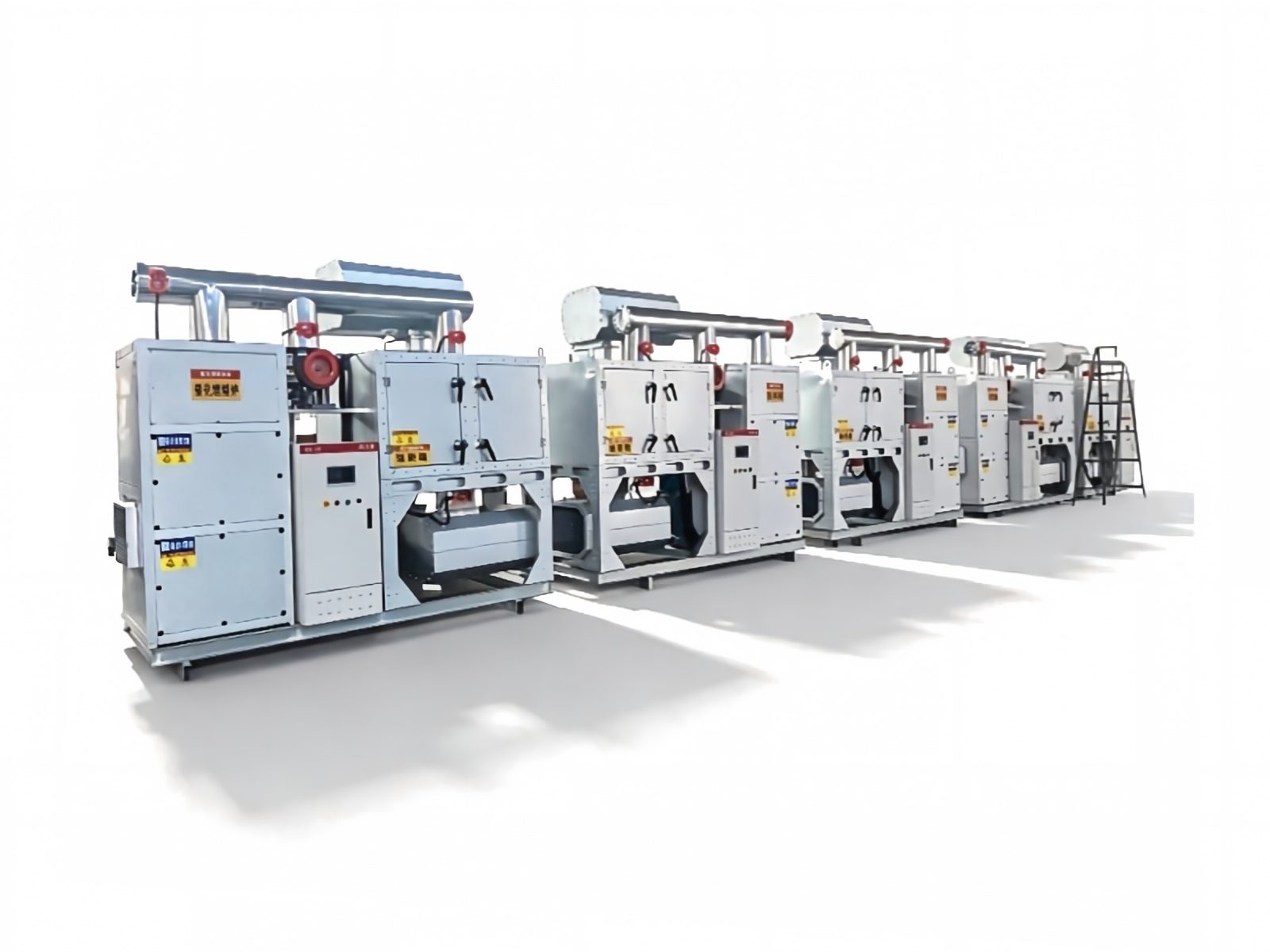
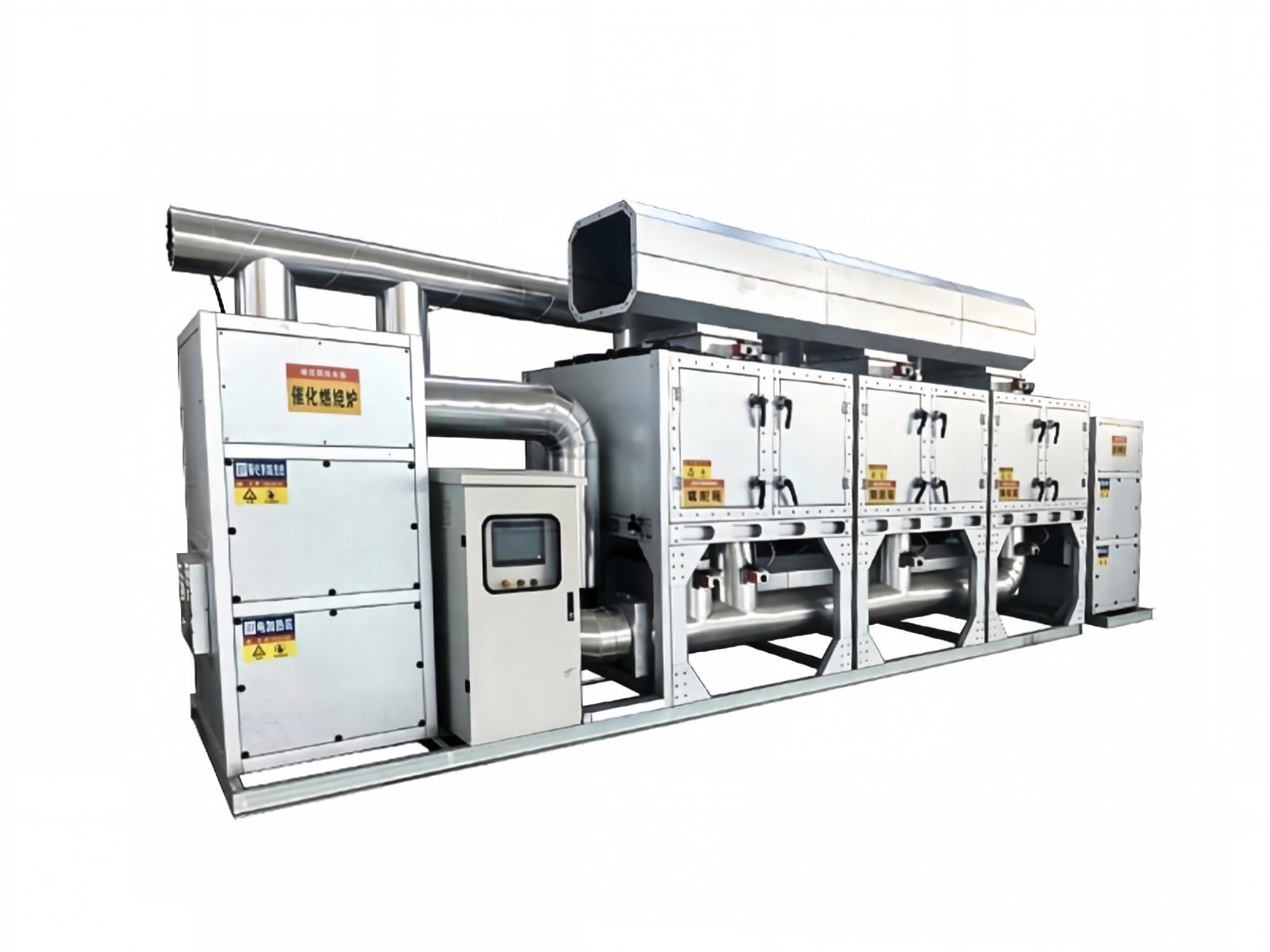
Catalytic Combustion Equipment (RCO) is an efficient VOCs treatment system designed to remove low-concentration organic waste gases through low-temperature catalytic oxidation. Using precious-metal catalysts such as platinum and palladium, VOCs are oxidized at approximately 250–400°C into carbon dioxide and water without direct flame combustion. Combined with activated carbon adsorption and desorption, the system is particularly suitable for high-volume, low-concentration VOC exhaust applications. Heat recovery technology significantly reduces energy consumption, while PLC-based automatic control, temperature interlocks, alarms, and explosion-relief protection ensure stable and safe operation.
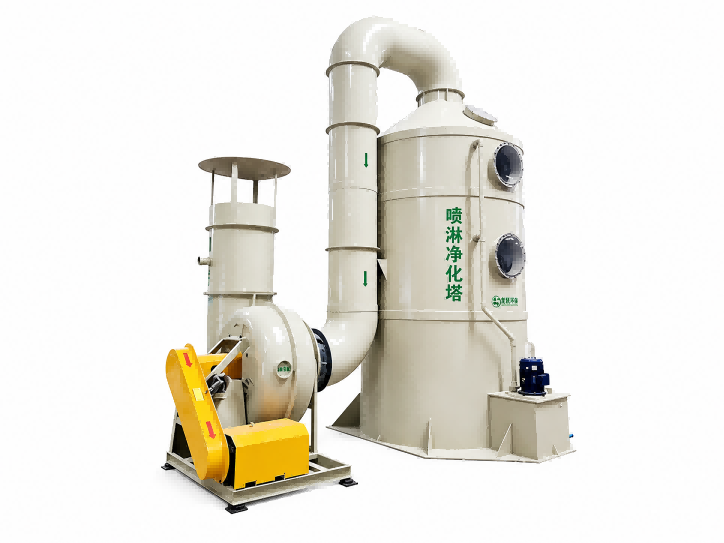
Our Wet Scrubber Tower is a high-performance exhaust gas treatment system designed to remove acidic and alkaline gases, dust, paint mist, formaldehyde, hydrogen sulfide, and other airborne pollutants. Using countercurrent gas-liquid contact technology, the system efficiently absorbs and neutralizes harmful substances through circulating scrubbing liquid. Available in PP, FRP, or 304 stainless steel, it provides excellent corrosion resistance and reliable long-term operation. The integrated spray system, packing layer, demister, circulation tank, and automatic pH dosing system ensure stable treatment performance. Suitable for electroplating, chemical, printing, painting, laboratory, electronics, and industrial applications, it can also provide cooling and dust removal as a pretreatment unit.
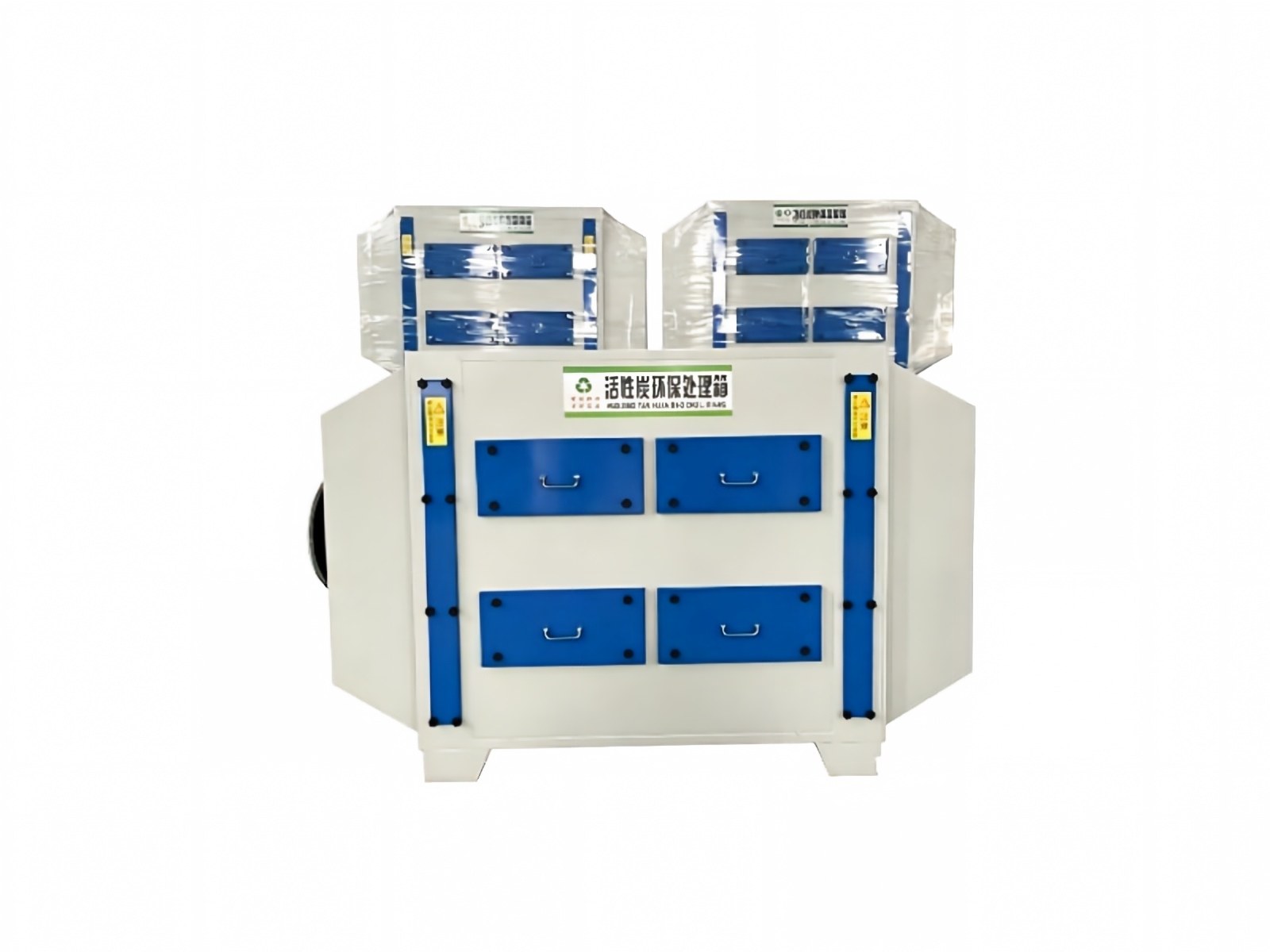
The Activated Carbon Adsorption Box is an efficient air purification system designed to remove VOCs, odors, and low-concentration organic waste gases from industrial exhaust. It uses high-quality honeycomb or columnar activated carbon with a large specific surface area to capture pollutants through physical adsorption. The system features a compact structure, small footprint, low operating cost, and easy maintenance. Its drawer-type activated carbon design allows quick and convenient replacement. It can be installed indoors or outdoors and used independently or together with a spray tower for enhanced purification. It is widely used in spray painting, printing, laboratories, injection molding, restaurants, and industrial workshops.
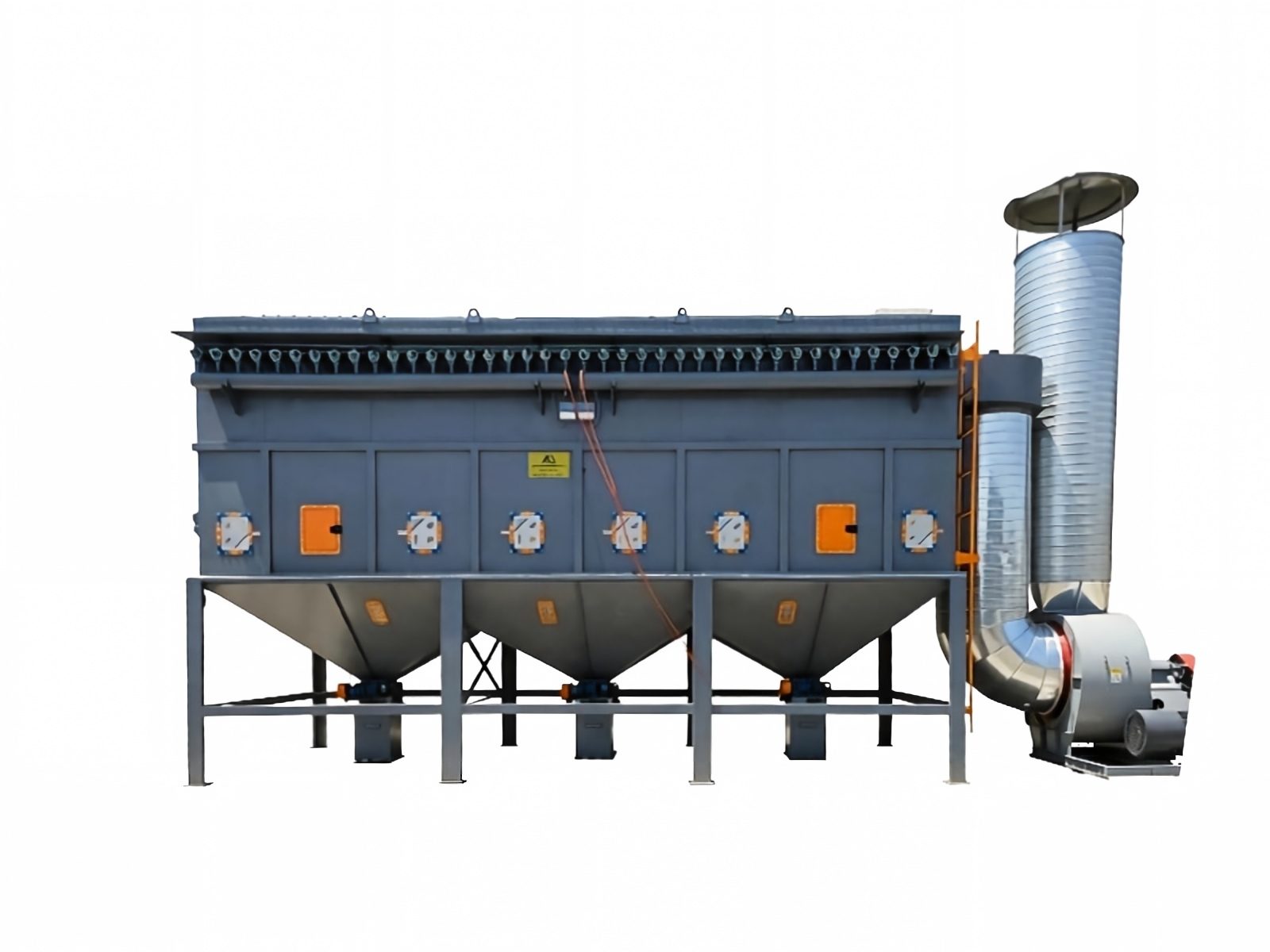
The Pulse Jet Bag Dust Collector is a high-efficiency industrial dust removal system designed to capture fine and ultrafine dust generated during grinding, cutting, crushing, woodworking, cement processing, mining, metallurgy, and other industrial applications. It uses high-quality filter bags and automatic pulse-jet cleaning technology to maintain stable filtration performance, with dust removal efficiency of up to 99.9%. The system features low operating resistance, low energy consumption, easy maintenance, and a durable steel structure. Filter materials can be customized according to dust characteristics and operating temperature, making it suitable for a wide range of industrial dust control applications.
Scan to Wechat :

Scan to WhatsApp :